Paleo Diet: The Practical Guide to Eating Grain-Free
Paleo sounds simple on paper. Eat meat, vegetables, fruit, and healthy fats. Skip grains, dairy, legumes, and processed food. Go back to what your body was built to eat.
Then you try to actually live it - and you realize the gap between understanding paleo and making it sustainable is a lot wider than you expected. Especially when you’re tired, eating out, or just really want something comforting for breakfast that isn’t eggs for the fifth morning in a row.
This section of the site is built for people who are past the basics. Not “what is paleo” - though that’s here too - but the practical stuff. How to make it work on real mornings. What to eat when you need something warm and satisfying. How to stay in it without feeling like you’re punishing yourself.
At Sweet Chaos Bakery, we started eating paleo for our own health reasons before we ever thought about starting a business. We know exactly where the diet gets hard. That’s why we built bagels that are actually paleo - and why we put together these guides.
What you eat on paleo
This is the short version:
Yes:
- Meat, poultry, seafood
- Eggs
- Vegetables
- Fruit
- Nuts and seeds
- Healthy fats: olive oil, coconut oil, avocado oil
No:
- All grains (wheat, rice, oats, corn - and everything made from them)
- Dairy
- Legumes (beans, peanuts, soy)
- Refined sugar
- Processed foods and artificial ingredients
The reasoning is simple: paleo is about eating food your body knows how to process. Not every grain or legume is harmful to every person, but the paleo framework eliminates the ones most likely to cause inflammation, gut issues, and energy crashes. You can argue the specifics forever. Most people who commit to it feel better. That tends to settle the debate.
Where to start
What Is Paleo? - The full explanation of what paleo means, why people follow it, and how it compares to gluten-free. If you’re newer to this, start here before anything else.
Paleo vs. Keto: What’s the Difference? - Two diets that overlap enough to cause confusion. Paleo is about food quality. Keto is about carb restriction. They’re not the same thing, and the distinction matters for how you actually eat.
Paleo Breakfast Ideas That Don’t Feel Like a Diet - Breakfast is the hardest meal to get right on paleo. This covers what actually works - including grain-free bagels that toast up fast and freeze beautifully.
Easy Paleo Lunch Ideas - Lunch away from home is where paleo breaks down fastest. These ideas work whether you’re at a desk, on a job site, or trying to feed a family.
Paleo Baking: Why It’s So Hard and How We Finally Got It Right - Baking without grains, dairy, or refined sugar is genuinely difficult. This explains why most paleo baked goods fail - and what separates the ones that don’t.
Are Paleo Baked Goods Healthy? - “Paleo” on a label doesn’t automatically mean good for you. Here’s how to tell the difference between real paleo food and paleo-branded junk.
The paleo and gluten-free question
People mix these up constantly. They’re not the same.
Gluten-free means no wheat, barley, or rye. You can eat rice, corn, oats (sometimes), and plenty of processed foods that happen to omit gluten. Many gluten-free products are full of refined starches, sugars, and fillers.
Paleo means no grains at all. Not just no wheat - no rice, no corn, no oats. Paleo also cuts dairy and legumes. It goes further than gluten-free in almost every direction.
This means a product can be gluten-free without being paleo. It also means paleo products are automatically gluten-free, since all grains - including gluten-containing ones - are off the list.
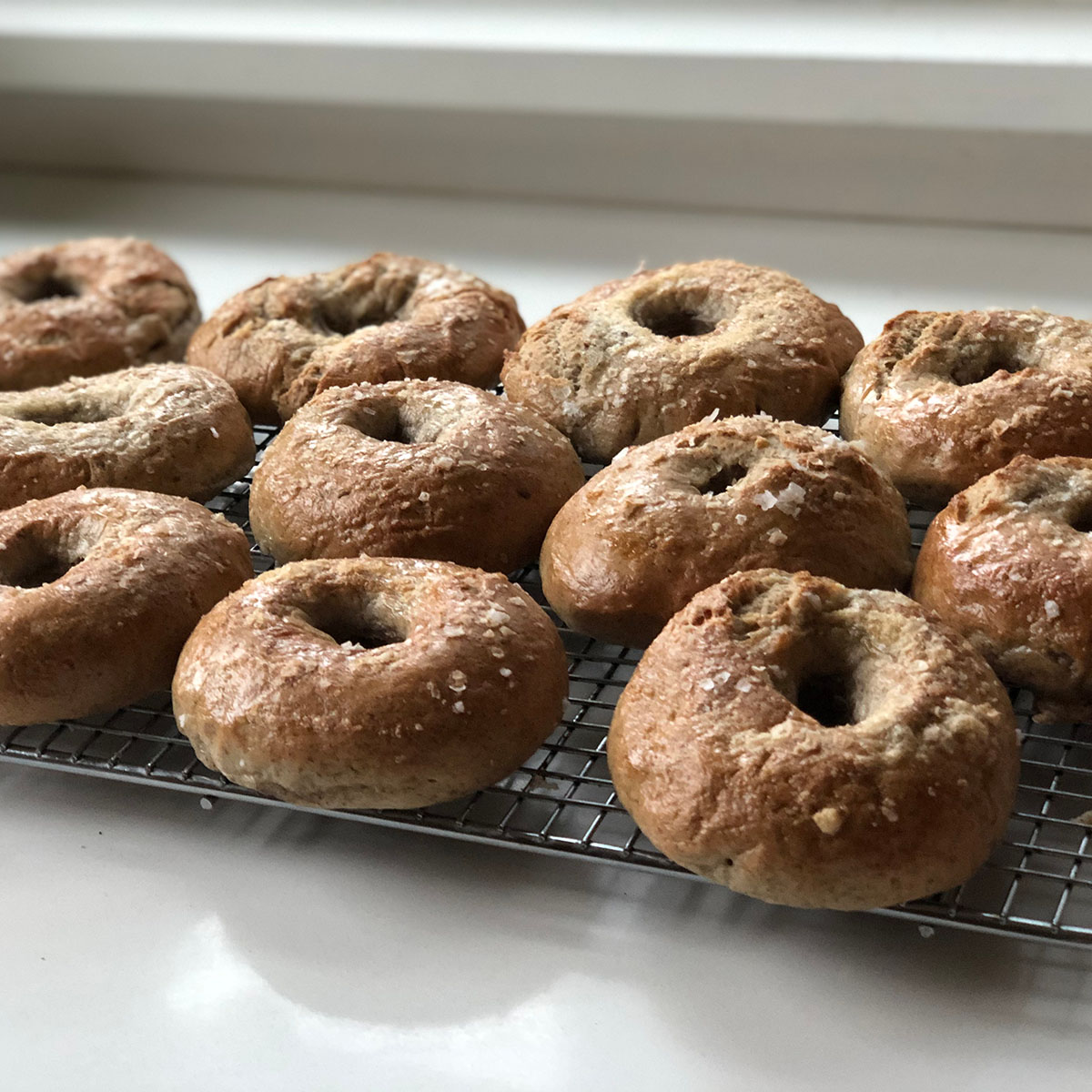
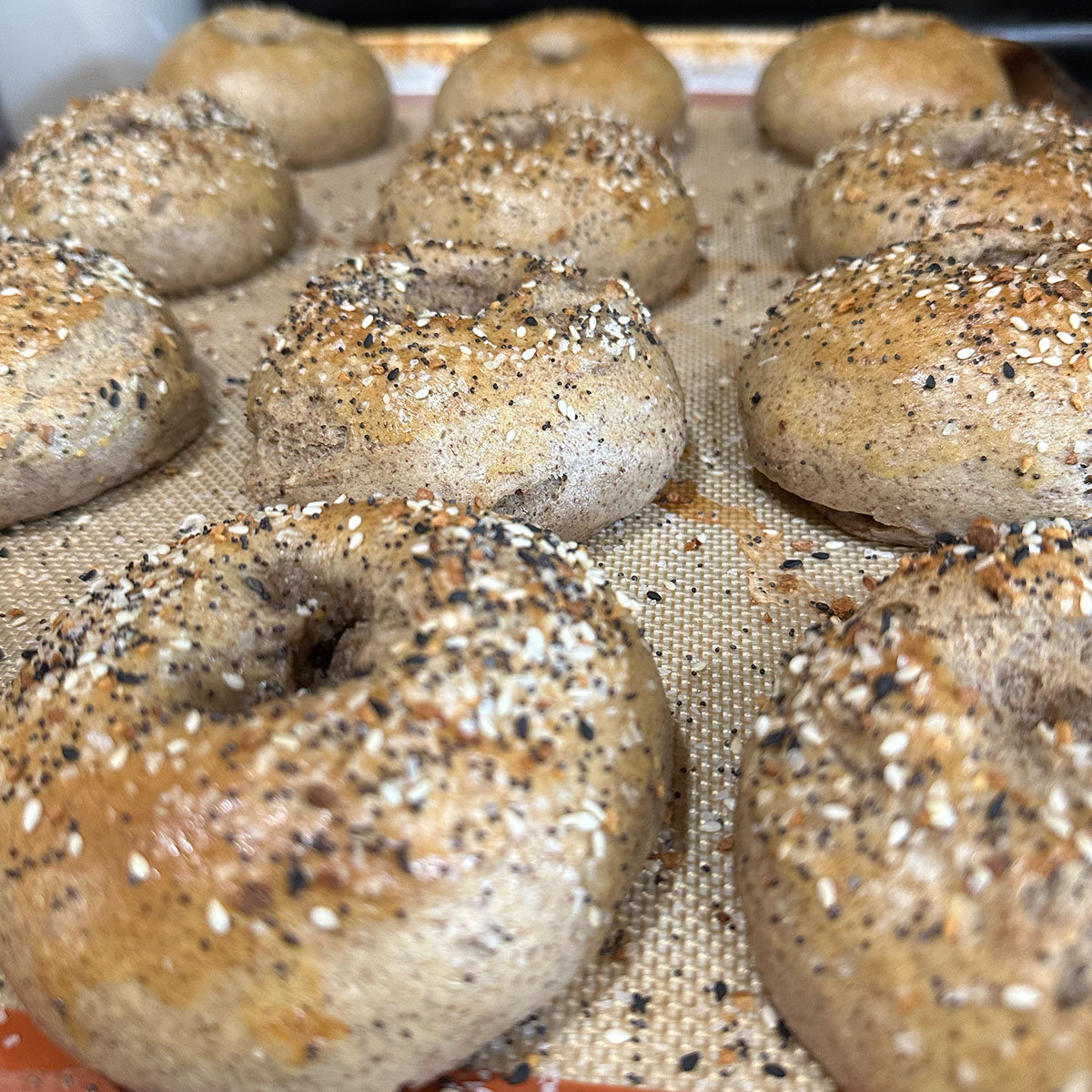
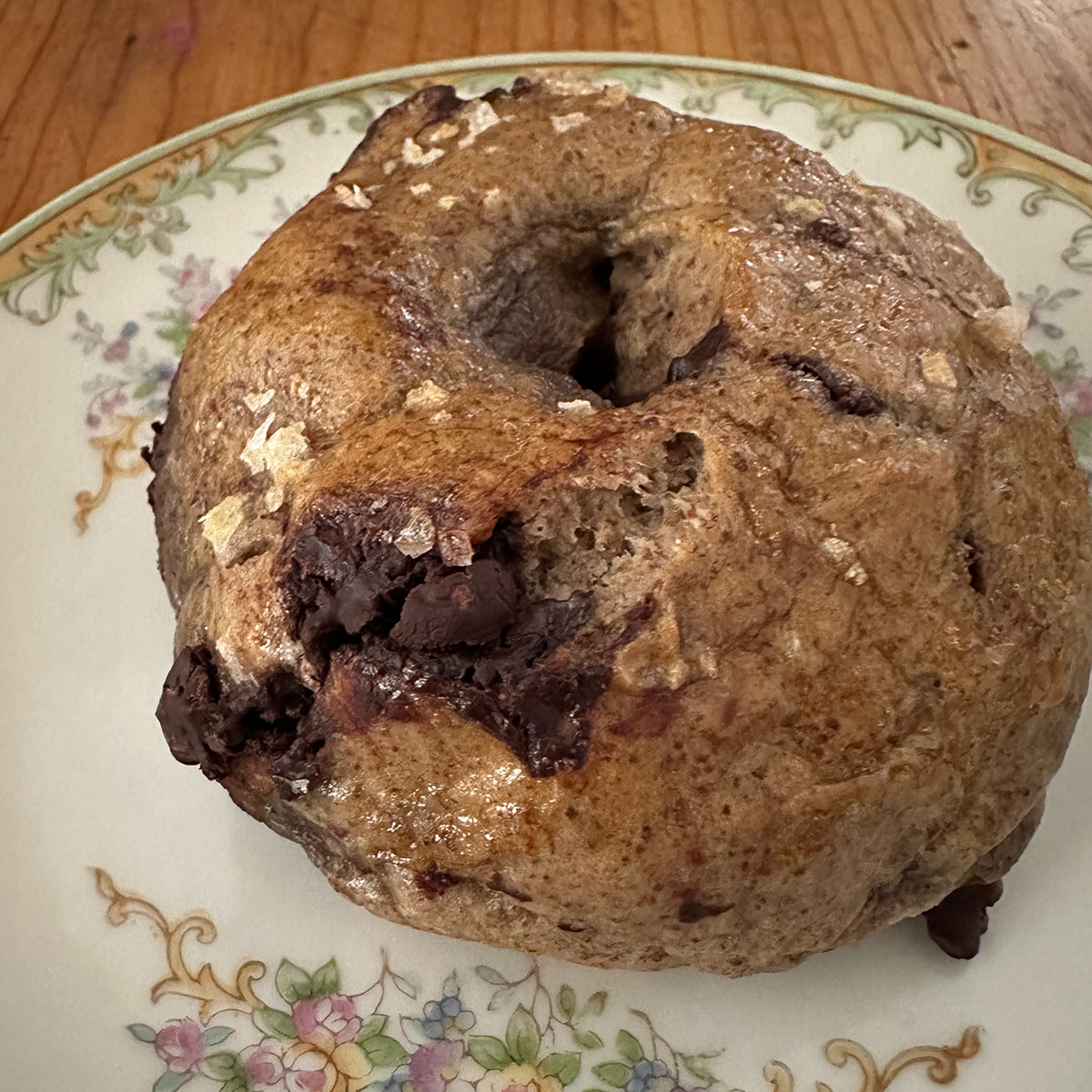
Our bagels are both. Grain-free and gluten-free. Made with almond flour, tapioca, and flax, boiled before baking, and built to actually taste like bagels.
The baked goods problem
Most people can handle skipping bread for a day or two. But over time, the absence of something warm and satisfying at breakfast starts to wear on you. This is where a lot of paleo diets quietly fall apart.
The options usually look like this: eat eggs every morning until you hate eggs, attempt some kind of grain-free “bread” from a recipe that falls apart, or quietly stop being paleo.
We spent years on a fourth option. Paleo bagels that actually chew, toast, freeze, and hold toppings without disintegrating. Not a compromise food. Not “good for paleo.” Just good, full stop. The boil-before-bake process is the difference - it’s what gives our bagels the dense, chewy texture that grain-free baking almost never achieves otherwise.
If you’ve tried paleo baked goods before and been disappointed, that’s the norm. Our bagels are the exception.
Making paleo stick
The biggest reason people fall off paleo is not willpower. It’s not having anything good to eat when they’re hungry and short on time.
Stock your freezer. Our bagels go from freezer to toaster in minutes. So do pre-cooked proteins, portioned soups, and breakfast casserole squares. When you have good food ready, you don’t need to make hard decisions at 7am.
Get breakfast handled first. Breakfast is the daily anchor meal. Once you have two or three options you actually like, the rest of the day gets easier. Everything else - lunch, dinner, snacks - is more flexible. Breakfast is where the routine lives.
Keep it simple early. Grilled protein, roasted vegetables, a handful of nuts. You don’t need elaborate recipes to eat paleo well. Complexity comes later, once the basics are solid.
Takeaway
Paleo works when you have the right food ready. Not just the right information - the actual food, in your kitchen, available when you need it. These guides exist to help with the information side. The bagels exist to help with the rest.